
Stem Cell Blog
Употребата на матичните клетки од папочна врвца рапидно се зголемува. Пред 10 години крвта од папочна врвца можеше да лекува околу 40 состојби, но денес таа бројка е над 80. Со нетрпение очекуваме нови терапии за болести и нарушувања како што се дијабет, аутизам и мозочен удар, можете да бидете во тек со најновите случувања во регенеративната медицина на нашиот блог за матични клетки.

Researchers at Vienna University of Technology have taken an important step in making lab-grown cartilage a possibility by utilising a new technique involving 3D printing and stem cells. [1]
The process involves a high-resolution 3D printing process to create small, football-shaped spheres that act like porous scaffolds within which differentiated cartilage stem cells can sit.
These spheroid scaffolds can then be molded into various shapes in order to fit like puzzle pieces into seamless tissue structures.
One of the main challenges in attempting to form artificial cartilage using stem cells thus far has been the inability for scientists to leverage much control over the shape of the resulting tissue.
The key advantage of the 3D printed spheroid, cage-like structures, which are around a third of a millimetre in diameter, is that they’ve enabled the researchers in Austria to form combinable, compact building blocks from which to grow cartilage tissue.
Importantly, the team at TU Wien also showed that when combined, neighbouring spheroids actually grow together, with the cells from one spheroid migrating to another, connecting in a closed, continuous structure. [2]
The 3D printed plastic scaffolds provide mechanical stability to the tissue as it continues to grow, up until the point at which they are no longer needed. The spheroids then degrade, leaving behind cartilage tissue shaped in the way desired.
A huge breakthrough for facilitating the regenerative potential promised by stem cells – particularly mesenchymal stem cells, which have the ability to differentiate into a range of specialised cells [3] – this new technique could be used in growing other tissues beyond cartilage into shapes required for repair at the cellular level.
For the time being, however, the researchers’ next aim is to attempt to use their 3D printed spheroids in the formation of tailormade pieces of cartilage tissue that can then be inserted into damaged areas of the body following injury.
If you’re interested in learning more about how saving stem cells for your baby could give them access to future regenerative treatments, download our free welcome pack below.
References

A new study conducted by researchers at the Mayo Clinic has found that stem cell treatment for patients with advanced heart failure offers an improved quality of life.
As many as 100,000 people are admitted to hospital in the UK every year due to heart attacks [1]. Heart attacks can lead to heart failure, where damage to cardiac muscles makes it harder for blood to be pumped around the body.

The first phase of a clinical trial hoping to treat Multiple sclerosis (MS) with stem cells has yielded promising results.
The early-stage trial was conducted by researchers at the University of Cambridge, along with scientists from the University of Milan Bicocca and La Casa Sollievo della Sofferenza hospital in Italy. [1]

22/01/2024 BlogEye ConditionsNewsStem Cell Therapies
Medical regulators in the UK have approved a gene-editing treatment involving bone marrow stem cells designed to cure two blood diseases, including sickle cell disease, in what is a world first.
The therapy, called Casgevy, has been given the green light by the Medicines and Healthcare products Regulatory Agency (MHRA) to treat sickle cell disease and beta thalassemia, two painful blood conditions. [1]

22/01/2024 BlogNewsPregnancy AdviceUses for Cord Blood
November 15th is World Cord Blood Day. This annual event was created to raise awareness of cord blood, what it is and some of the therapeutic benefits it can offer.
If you are curious to find out more, read on.

Stem cells are amazing. You may think this a biased opinion coming from us, but the following story is here to prove they are amazing. A young man who donated his stem cells so that a woman overseas could receive a lifesaving treatment gets to meet her.

20/01/2024 News
You may not believe in miracles, but we think that this story comes close. A young boy, now six years old, might not be here today if it wasn’t for the donated umbilical cord stem cells that he received.
Keep reading if you want more details.
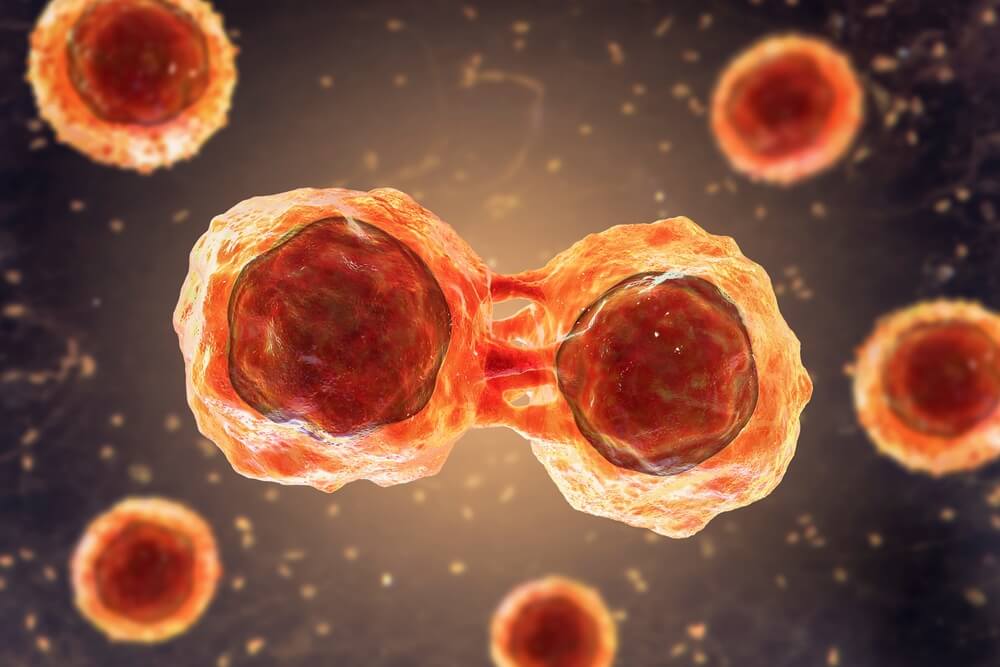
Stem cells and related research are all over the news, as amazing new applications for them are being studied, discovered and applied all the time.
This means you may have already heard of them. You may even know exactly what they are. But for anyone who wants a more in-depth knowledge of these potentially life-saving cells, read on.

According to the first large-scale study of its kind, pregnant women are at no greater risk of being admitted to hospital with severe coronavirus symptoms than other women.
The study examined more than 420 expectant mothers who were admitted to hospital with critical cases of COVID-19 between March 1 and April 14. Results show that only 10% of them required treatment in ICU. This figure is comparable to the statistics for other woman who are not pregnant.

Cells4Life Group LLP,
Units 2-3 Oak House, Woodlands Office Park,
Albert Drive, Burgess Hill, RH15 9TN, UK.
Med Bio Genetics
Pero Nakov 110, Skopje, Republic Macedonia
+389 70 221 602
info@cells4life.mk


Cells4Life Blog Posts

12/02/2026