Stem Cell Blog
Употребата на матичните клетки од папочна врвца рапидно се зголемува. Пред 10 години крвта од папочна врвца можеше да лекува околу 40 состојби, но денес таа бројка е над 80. Со нетрпение очекуваме нови терапии за болести и нарушувања како што се дијабет, аутизам и мозочен удар, можете да бидете во тек со најновите случувања во регенеративната медицина на нашиот блог за матични клетки.
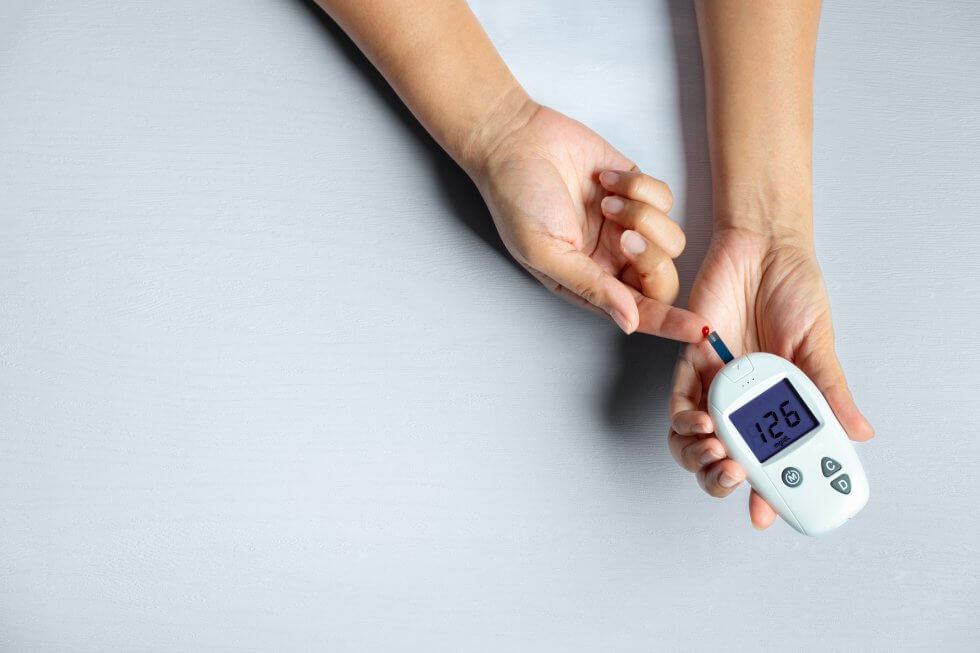
A 25-year-old woman from China is the first in the world to have been cured from type 1 diabetes, following an injection of islet cells derived from her own reprogrammed stem cells.
The study, published in the Cell journal, offers real hope to the millions of people worldwide suffering from this disease.
What is type 1 diabetes?
Type 1 diabetes is an autoimmune disease that causes the body’s own immune system to mistakenly attack and destroy insulin-producing cells in the pancreas.[1]
Insulin is a hormone which moves glucose (sugar) from the bloodstream into cells, where it is used for energy, and also helps store any extra glucose.[2]
Without insulin, glucose instead accumulates in the blood, causing a host of severe complications including vision loss, nerve damage, kidney failure, and non-healing ulcers that lead to lower limb amputations.[3]
This means people suffering from type 1 diabetes are dependent on external sources of insulin (through injections or a pump), and have to track and manage their blood sugar levels carefully.
How was the cure developed?
A team at Peking University, Beijing, China, extracted cells from three patients with type 1 diabetes and reverted them to a pluripotent state, from which they could be converted to different cell types in the body. These induced pluripotent stem cells (iPSC) were then used to generate clusters of islet cells, which would then be transplanted back into the patients.
Two and a half months later, the first patient to receive the transplant was producing enough insulin to no longer need external injections; she has remained insulin independent since, for more than a year.
Deng Hongkui, the lead scientist in the study, states the results for the other two patients in the study are also very positive. Those patients would have reached the one-year mark in November; it is hoped that when the results are published the trial could be expanded to more patients.[4]
Why is this trial important?
Islet cell transplantation can be an effective treatment for diabetes. In the past, this has relied on islet cells collected from organ donors, which are not sufficient to meet growing demand and require transplant recipients to use immune-suppressant medication to prevent transplant rejection.
A novel therapy developed by Vertex, currently undergoing clinical trials, aims to solve that issue by deriving islet cells from stem cells; however, this therapy also uses donated stem cells as a source, and thus requires the use of immune-suppressant medication.
It is hoped that the use of autologous (own) stem cells will remove the need for this medication. Since the patient studied was already on immune-suppressants due to a liver transplant, this is not a certainty; because type 1 diabetes is an autoimmune condition, there is still a risk that the immune system could attack the newly-transplanted islets regardless. However, Deng and his team aim to develop islet cells that can entirely evade the immune response.
The importance of banking stem cells
Although further study is required to evaluate the effectiveness of this therapy, breakthroughs like this highlight the potential of stem cells in the development of treatments for life-altering, chronic conditions such as type 1 diabetes.
By banking your baby’s cord stem cells, you can make sure they can be used for regenerative therapies like this, should your baby them in the future. To find out more about saving these powerful cells for your baby, download your free Welcome Pack by filling in the form below.
References
24/08/2025 BlogNewsUses for Placenta
After a nick caused by a small shard of glass went unnoticed, Canadian Ron Williams developed a deep, infected wound spanning from the heel to the middle of his foot.
Even after six months of hospital treatment, the wound wouldn’t heal; if the infection had persisted, his leg would have needed to be amputated.
Now, thanks to a pioneering wound-care program involving the application of amniotic membrane from donated placentas, there is barely a scar left[1].
What is the amniotic membrane?
The amniotic membrane, also known as the amnion, is the inner layer of the amniotic sac, which holds the amniotic fluid and protects baby as they grow and develop during pregnancy.
Although it is normally discarded as waste after birth, along with the placenta and the rest of the amniotic sac, the amnion has anti-inflammatory, anti-bacterial and anti-scarring properties[2]; its wound-healing powers were first documented over 100 years ago[1]. It is used in a variety of medical specialisations, including ophthalmology (eye care), wound and burn care, gynaecology and surgery[3]; research suggests it could have properties stimulating tissue regeneration, showing potential for use in regenerative medicine[2].
What does the wound healing treatment entail?
A layer of amnion is applied to the wound, then dressed and left undisturbed; the procedure is repeated once a week until the wound has completely healed. In Mr Williams’ case, the wound healed almost 60% in the first week, and fully closed after five.
Dr Balram Sukhu, director of Mount Sinai Allograft Technologies, which runs the amniotic membrane program at Mount Sinai hospital in Toronto, Canada, says treatment has been provided to more than 80 patients, and has resulted in wound closure in all cases.[1]
Why is this kind of treatment not more widely used?
Dr Mark Jeschke, medical director of the burn program at Hamilton Health Sciences, a hospital network in Canada, says the challenges in bringing this treatment to wider availability lie in the process required to obtain amnion grafts[1]. In Canada, amnion grafts are made from placentas donated by mothers undergoing elective C-section; this is also the case in the UK, where only two hospitals are set up to take donations[4]. While NHS Blood and Transplant provides amniotic membrane grafts for ophthalmic surgery[5], amnion dressings for chronic wound treatment could be harder to come by, and can be pricy, with a NICE document estimating the cost at around £1,000 for a 2x3cm graft[6].
Can you save your placenta?
The alternative to placenta donation is private placenta storage, meaning your placenta, including the amnion, is stored in a private bank so that it can be available for you or your child’s future use, should it be needed.
This is typically done as part of cord blood banking, storing the powerful stem cells from your baby’s cord blood along with cord tissue and the placenta. These cells and tissues are being investigated in numerous clinical trials for their potential in treating a wide variety of injuries and diseases.
If you’d like to find out more about private banking for your baby, fill in the form below to receive your free welcome pack, full of all the details you need to make an informed decision.
References
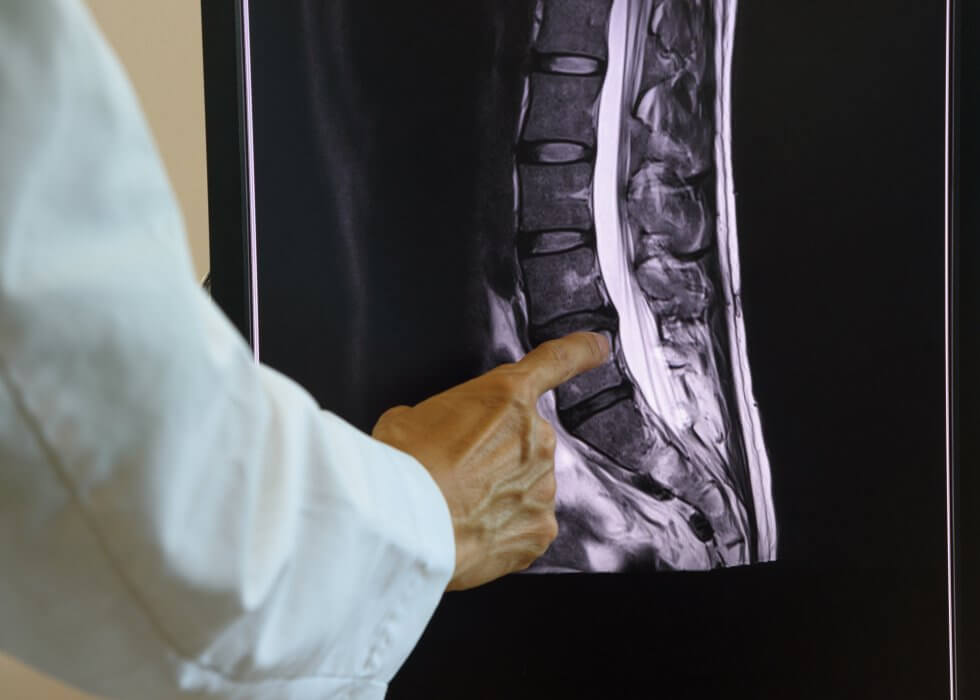
A new study on the effectiveness of treatment for spinal cord injuries indicates that a combination therapy, including epidural electrical stimulation (EES) as well as neural stem cells and umbilical cord stem cells, could offer better results than any one treatment on its own.
What is spinal cord injury?
Spinal cord injury is a debilitating, disabling neurological condition resulting from damage to the spinal cord, or to the nerves at the end of the spinal canal. This is most frequently caused by traumatic occurrences such as vehicle accidents, falls, sport injuries or violence, but may also be caused by tumours, infections or degenerative conditions.
Spinal cord injury causes partial or complete loss of sensation and function below the level of the injury, commonly resulting in paralysis (paraplegia or quadriplegia), loss of bladder and bowel control, and breathing issues.[1]
What therapies are currently available?
At present, there are no known therapies that would reverse the initial injury and return an injured spinal cord to full function.[2] Current treatments for spinal cord injury focus on limiting what is called the secondary injury cascade, ideally preventing further damage and thus further loss of feeling and motor function.[3] These methods include surgery, medication, physical therapy and rehabilitation, and assistive devices such as braces or wheelchairs.
What is epidural electrical stimulation for spinal cord injury?
In epidural electrical stimulation, an array of electrodes is implanted along the spinal cord through a surgical procedure called a laminectomy. The stimulation provided by the electrical pulses generated by these electrodes could help in the recovery of functionality following spinal cord injury, improving patients’ ability to walk and stand as well as aiding with bladder and bowel control.[3] [4]
How could stem cells help?
By leveraging the regenerative properties of stem cells, it is hoped that a stem cell treatment could repair and regenerate damaged spinal cord tissue.
This could mean protecting what neurons remain intact, repairing the protective myelin sheath on damaged ones, thus restoring their ability to conduct nerve signals, and replacing lost ones. Stem cells also have the ability to modulate the body’s immune response, and could reduce inflammation and mitigate the secondary damage that follows the initial injury.[5]
There are currently several clinical trials studying the application of stem cells for spinal cord injury. Although more research is needed, results so far are promising, including the high-profile case study of a man who has regained the ability to walk.[6]
What has the new study found?
Researchers at Xi’an Jiaotong University, China, set out to test the effectiveness of a therapy combining both epidural electrical stimulation and stem cell injections, using a mouse model of spinal cord injury.[7]
The study involved four different groups of mice: a group which was treated with EES alone, a group which was treated with a mix of mouse neural stem cells (NSCs) as well as human umbilical cord mesenchymal stem cells (hUCMSCs), a group which received both treatments and a control group in which the spinal cord injury was left untreated. The mice in all groups were monitored and assessed for a period of two months.
Following the injury, all mice had complete loss of function in their hind limbs; a week post-injury, mice in the treatment groups underwent their respective treatments. At the end of the monitoring period, mice in the control group were still unable to support themselves on their hind limbs. Conversely, some mice in the EES group were able to achieve paw standing; mice in the hUCMSC group also achieved this milestone, in a more frequent and sustained manner. Mice in the combined treatment group not only achieved paw standing, but also showed improved motor coordination. Swimming and gait analysis tests corroborated these findings, with the hUCMSC group doing better than the EES group, both doing better than the control and the combined treatment group doing best of all.
What’s next?
Both EES and stem cell transplants are currently the subject of clinical trials to test their effectiveness in the treatment of spinal cord injury. As the new study shows, it is entirely possible that the best treatment will be a combination of both, but more research is required on each individual treatment before the combination therapy can be tested in humans.
What is undeniable is that the number of studies and clinical trials examining the regenerative power of stem cells and their potential for treating currently incurable diseases and injuries continues to grow.
To find out more about what stem cells could do, and how you could preserve a rich source of them for your baby so that they could gain access to future regenerative treatments, fill in the form below to request your free welcome pack.
References
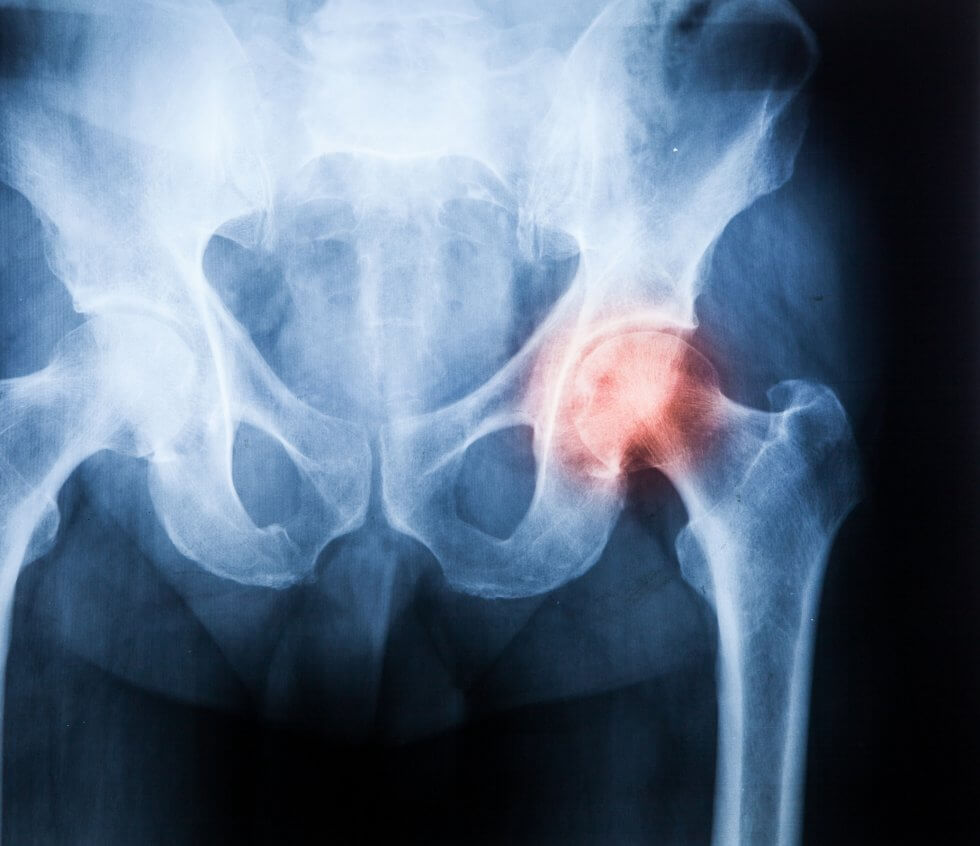
England flanker Tom Curry is undergoing stem cell therapy as a follow-up to last year’s career-saving surgery.[1]
Suffering from chronic hip pain and reduced range of motion, Curry was diagnosed with femoroacetabular impingement syndrome, where the ball of the hip joint is abnormally shaped, causing uneven wear and tear in the joint resulting in cartilage and bone damage.[2][3]
In Curry’s case, there was what was defined as an arthritic change within the hip[4] – labrum and cartilage tears, as well as abnormal bone growth. This was corrected in a six-hour surgery, which reshaped the ball of his hip and repaired the labrum and cartilage via a stem cell transplant.[2]
To fix the tears in Curry’s cartilage, leading hip surgeon Damian Griffin placed a synthetic cartilage graft in the joint and applied stem cells taken from Curry’s bone marrow to it to grow a new surface within the joint.[5] The procedure is performed arthroscopically (keyhole surgery), and it has a much shorter recovery time and carries less risk than surgeries involving metal implants, such as a hip resurfacing, where metal surfaces are used to cover the joint,[6] or a complete hip replacement.[7]
Now, Curry is undergoing another stem cell therapy in a bid to make it to the 2027 Rugby World Cup without needing more surgery.[1] There are fewer details available about this therapy, but it has been stated to be a stem cell injection in his hip to help bone growth.
How can stem cells help with injury recovery?
Stem cells possess remarkable regenerative potential, which therapies and procedures like those Curry is undergoing take advantage of. The cells that make up bone and cartilage typically derive from mesenchymal stem cells (MSCs), which, in addition to their ability to turn into a variety of specialised cell types, also have anti-inflammatory properties. This makes them ideal to help repair damaged tissue, particularly cartilage, which has very limited regenerative capacity of its own.
Curry is far from the only elite athlete to turn to stem cells to get back to form. Footballer Cristiano Ronaldo used stem cell therapies to successfully address knee problems[8], while tennis great Rafael Nadal treated both chronic knee issues and a long-standing back complaint[8][9]. Boxing legend Mike Tyson also had stem cell therapy.[8]
To find out more about the regenerative power of stem cells, and how your baby’s umbilical cord stem cells could safeguard their health for life, simply fill in the form below to request a free information pack.
References

04/12/2024 BlogNewsStem Cell NewsUses for Cord Blood
Today marks World Cord Blood Day—a day dedicated to highlighting the medical breakthrough that began 36 years ago, in 1988, with a single transplant. That cord blood transplant opened the door to a new era in medicine. Since then, stem cells from cord blood have transformed countless lives, offering hope to those battling over 80 serious diseases including leukaemia, sickle cell anaemia, lymphoma, and more.
Once dismissed as medical waste, cord blood’s potential to heal is becoming more and more recognised, with over 60,000 transplants since 1988. Today, stem cells are the key players in regenerative medicine, studied in thousands of labs and clinical trials around the world. Scientists are exploring their potential to treat conditions as varied as bone fractures, spinal cord injuries, arthritis, and even Crohn’s disease.
Yet, despite this remarkable potential, too often cord blood is still discarded after birth, lost forever. This is why World Cord Blood Day was created: to shine a light on the therapeutic power of cord blood and to encourage more families to preserve this incredible resource for the future.
As research has continued though, it is no longer just cord blood that holds such promise, but also the cord tissue and placental stem cells which hold immense potential in regenerative medicine.
Cord blood news
A lot has happened in the cord blood field since last year. Here are some news you may want to catch up on if you’ve missed them…
-
Researchers in China found that umbilical cord stem cells could aid in healing intestinal ulcers caused by Crohn’s disease.
-
A study found that umbilical cord stem cell therapy could improve ovarian function, a potentially important step towards overcoming the ‘biological clock’ of waning fertility.
-
A five-year-old boy with a rare genetic disorder received a life-changing transplant of cord blood stem cells that had been stored by the NHS for 15 years.
-
A clinical trial investigating the use of umbilical cord stem cells to treat chronic heart failure is underway.
-
Umbilical cord stem cells are being researched as a treatment for acute liver failure.
-
A new therapy could improve treatment outcomes for patients with Krabbe disease following a stem cell transplant.
-
A recent report by the Parents’ Guide to Cord Blood Foundation highlighted continued interest in treatments based on umbilical cord stem cells in the medical research field.
-
Haplo cord blood transplants, combining stem cells from a cord blood unit and a bone marrow donor, improve survival rates post-transplant and reduce the risk of graft-versus-host disease.
-
Umbilical cord exosomes could be used in developing life-changing therapies for a variety of conditions.
How can I bank my baby’s cord blood?
If you want to save this precious resource rather than having it thrown away, both public and private banking are available options.
Public banking means the cord blood stem cells are stored in a cord bank that makes them accessible to anyone who might need them. The NHS public cord bank accepts donations if you are giving birth at one of three hospitals; the Anthony Nolan charity public cord bank accepts donations from a further five hospitals.
Alternatively, you can choose to bank your baby’s cord blood privately, storing the stem cells solely for your family’s own use. They will be ready and waiting should your baby ever need them for treatment, and could be useful for family members, too – there is a 25% chance they would be an exact match for a sibling, or 75% chance of a partial match. They are also a guaranteed partial match for parents.
Everything about our services has been tailored to provide the maximum potential benefit to parents who store their baby’s stem cells with us, such as our advanced processing technology that retains up to three times more stem cells than industry-standard processing methods, meaning full compatibility with delayed and optimal cord clamping. We are also the only UK cord blood bank to offer placenta and amnion storage.
To learn more about cord blood banking and why most UK parents choose to store with us, simply fill in the form below for a free welcome pack.

04/12/2024 BlogNewsUses for Placenta
A recent story published by The New York Times has highlighted the life-changing potential placenta holds for the treatment of severe burns and wounds.
The story follows Marcella Townsend, who was left unrecognisable by second and third degree burns she suffered after a propane explosion at her mother’s house in Georgia.
With few treatment options available, Marcella underwent a radical, cutting-edge procedure: a human placenta graft.
Incredibly, Marcella’s face now looks nearly identical to how it did before the explosion. [1]
What is a human placenta graft?
A placenta graft involves the application of amniotic membrane – the thin, translucent inner part of the placenta surrounding the foetus in the womb – to an area affected by burns, wounds, or injuries.
Unlike skin grafts using animals or cadavers, placental tissue doesn’t trigger the immune system, meaning it isn’t rejected by the body – a byproduct of the immunological privilege it has between mother and child during pregnancy.
It also stimulates rapid cell regrowth, which can help the body heal with minimal scarring. [2]
What makes the placenta so special?
The placenta provides crucial nutrients and protection to babies during pregnancy, and is filled with proteins and growth factors that make it extremely useful for healing injuries. [3]
Since the early 20th century, the amniotic membrane from placentas has been used in topical treatments for burns, wounds, and ulcers. It’s even been used to treat eye conditions. [4]
And yet, despite their potential, most placentas are discarded as medical waste.
Today in the U.S. only publicly stored donated placentas from elective C-sections are used. [1]
There are also limitations on how they can be used. For instance, amniotic membrane grafts are only sanctioned so long as there is minimal manipulation, meaning that their application is contained to internal and external bandages, along with cases of chronic wounds that take longer than usual to heal, or don’t heal at all.
In the latter context, a placenta graft again proved to be life-changing.
As cited by The New York Times, an 83 year old woman had an infected, chronic wound on her leg that wouldn’t heal after surgery. Having exhausted treatment options – including the use of larvae to eat the infected areas – doctors turned to placenta-derived skin grafts to close the wound.
The woman’s leg healed completely.
While the medical potential of the placenta seems boundless – they have been found to heal burns, wounds, and even restore vision in some cases – their lack of availability, along with the cost of associated procedures, means they remain vastly underused in the medical field. [1]
Why aren’t placentas more widely used?
While it’s clear that placentas have huge potential in a wide range of medical contexts, current therapeutic applications don’t come cheap. It is estimated that the cost of a placental graft ranges between $200 and $3,000 per square centimetre of amniotic membrane in the U.S. [1]
In the UK, amniotic membrane grafts are similarly pricey, with a document from the National Institute for Health and Care Excellence (NICE) showing a 2cm x 3cm graft costing around £1,000 for a single use. [5]
With the street worth of placentas estimated to be around $50,000 – a figure that’s expected to double or even triple over the course of the next decade [6] – it’s no wonder some mothers are looking to privately store their own placentas.
What is private placenta storage?
Private placenta storage is the process by which mothers can choose to store their placenta so that it’s available for their child to use in future therapies, should they need it.
There are hundreds of clinical trials ongoing that are exploring the uses of placenta in treatments for conditions ranging from stroke to diabetes, Crohn’s and osteoarthritis. By saving the placenta, the powerful cells and growth hormones it contains are preserved for future use. [7] [8] [9] [10]
Private placenta storage can be considered to be part of what’s known as cord blood banking – the process by which the perinatal cells and tissues that naturally occur in the umbilical cord and placenta are cryogenically frozen.
Some of these perinatal cells are otherwise known as stem cells, and have many therapeutic benefits. Some are even being used today in over 80 approved treatments.
Saving the umbilical cord and placenta for your baby gives them the best chance to access future therapies using stem cells and other perinatal cells and tissues.
This is because cells from the umbilical cord and placenta are baby’s own perfect match, meaning the risk of rejection in a procedure like a transplant is minimal.
For people like Marcella Townsend, the life-changing potential of the placenta is clear. By storing for your baby, you could ensure that they too have access to future therapies utilising the power of the placenta.
References
[1] Morgan, K. (2024, October 8). Her Face Was Unrecognizable After an Explosion. A Placenta Restored It. The New York Times. https://www.nytimes.com/2024/10/08/well/placenta-donations-burns-wounds.html
[2] Glat, Paul MD et al. Placental Membrane Provides Improved Healing Efficacy and Lower Cost Versus a Tissue-Engineered Human Skin in the Treatment of Diabetic Foot Ulcerations. Plastic and Reconstructive Surgery – Global Open 7(8):p e2371, August 2019. | DOI: 10.1097/GOX.0000000000002371
[3] Protzman NM, Mao Y, Long D, Sivalenka R, Gosiewska A, Hariri RJ, Brigido SA. Placental-Derived Biomaterials and Their Application to Wound Healing: A Review. Bioengineering. 2023; 10(7):829. https://doi.org/10.3390/bioengineering10070829
[4] Schmiedova I, Dembickaja A, Kiselakova L, Nowakova B, Slama P. Using of Amniotic Membrane Derivatives for the Treatment of Chronic Wounds. Membranes (Basel). 2021 Nov 29;11(12):941. doi: 10.3390/membranes11120941. PMID: 34940442; PMCID: PMC8706466.
[5] (2018, January 30). EpiFix for chronic wounds. National Institute for Health and Care Excellence. https://www.nice.org.uk/advice/mib139
[6] Schweizer, R. (2019, March). What is your Placenta Worth? Parent’s Guide to Cord Blood Banking Foundation. https://parentsguidecordblood.org/en/news/what-is-your-placenta-worth
[7] Mansoureh Barzegar et al. Human Placenta Mesenchymal Stem Cell Protection in Ischemic Stroke is Angiotensin Converting Enzyme-2 and Masr Receptor-Dependent, Stem Cells, Volume 39, Issue 10, October 2021, Pages 1335–1348, https://doi.org/10.1002/stem.3426
[8] Kadam, S., Muthyala, S., Nair, P., & Bhonde, R. (2010). Human placenta-derived mesenchymal stem cells and islet-like cell clusters generated from these cells as a novel source for stem cell therapy in diabetes. The review of diabetic studies : RDS, 7(2), 168–182. https://doi.org/10.1900/RDS.2010.7.168
[9] Mayer L, et al. Safety and tolerability of human placenta-derived cells (PDA001) in treatment-resistant crohn’s disease: a phase 1 study. Inflamm Bowel Dis. 2013 Mar-Apr;19(4):754-60. doi: 10.1097/MIB.0b013e31827f27df. PMID: 23429460; PMCID: PMC4272923.
[10] Gwam C, Ohanele C, Hamby J, Chughtai N, Mufti Z, Ma X. Human placental extract: a potential therapeutic in treating osteoarthritis. Ann Transl Med. 2023 Jun 30;11(9):322. doi: 10.21037/atm.2019.10.20. Epub 2019 Oct 16. PMID: 37404996; PMCID: PMC10316113.

One of the questions we get asked most by expectant parents is whether or not cord blood banking is ‘worth it’.
You may have heard about it online, or through a friend, but don’t necessarily know what it entails, or what the benefits are.
In this blog, we’ll break down everything you need to know—what cord blood banking is, why it matters, the benefits, costs, and whether it’s the right choice for your family.
What is cord blood banking?
Cord blood banking is the process of collecting and storing the precious blood from your baby’s umbilical cord, along with other vital perinatal tissues like the placenta, cord tissue, and amnion.
These tissues are rich sources of two powerful types of stem cell: haematopoietic stem cells (HSCs) and mesenchymal stem cells (MSCs), which both have huge therapeutic potential.
Haematopoietic stem cells (HSCs)
HSCs are found in cord blood, and have the ability to differentiate (transform) into all types of blood cells, including white blood cells, red blood cells and platelets. This ability makes HSCs well positioned for the treatment of blood disorders like sickle cell anaemia and leukaemia.
HSCs from cord blood are already being used primarily in donor treatments for more than 80 different conditions, including blood cancers like lymphoma, immune disorders like SCID, and blood disorders like aplastic anaemia.
Mesenchymal stem cells (MSCs)
MSCs are found in cord blood, cord tissue and placenta and have the ability to differentiate into many different types of cell, including cartilage, nerve, muscle, fat, and bone cells.
This plasticity makes them ideal for use in an emergent field of medical research called regenerative medicine. Excitingly, there are currently hundreds of clinical trials investigating the application of MSCs in therapies for diseases that are currently incurable, like stroke, heart failure, and Parkinson’s disease.
Why is having your baby’s own stem cells available important?
Stem cell therapy depends on the body’s immune system not rejecting the transplanted cells. When using publicly donated stem cells from a donor this means finding an HLA match (human leukocyte antigens, which are gene complexes that encode cell-surface proteins that help the immune system determine what does and doesn’t belong to the body) and using immuno-suppressive drugs to minimise the chances of rejection.
However, cord blood banking enables your baby to have their own perfectly matched stem cells ready and waiting in storage, meaning they can access therapies without the risk of rejection.
Is cord blood banking safe?
The cord blood collection process is completely safe, non-invasive, and takes place in a separate room after birth, handled by a licensed phlebotomist.
What are the benefits of cord blood banking?
Life Saving Treatments
Cord blood stem cells are a proven treatment option for over 80 life-threatening conditions. They have been used in more than 40,000 transplants worldwide, providing a vital alternative to bone marrow transplants for conditions like leukaemia, lymphoma, and sickle cell anaemia.
Protection for the Whole Family
By preserving your baby’s stem cells, you’re not only protecting your child’s future health but also potentially safeguarding the entire family. These stem cells are a perfect match for your baby, with a 1 in 4 chance of being a perfect match, and a 50% chance of being a partial match, for a sibling. Additionally, there’s always a 50% chance they could be a partial match for a parent as well.
Future Potential in Medical Research
Researchers are exploring the use of mesenchymal stem cells in the treatment of diseases like stroke, diabetes, and heart disease. Although these therapies are still in clinical trials, the potential for future applications is vast. By banking your baby’s umbilical cord and placenta now, you could unlock access to cutting-edge treatments in the future.
Why bank cord blood with Cells4Life?
Industry Leading Innovation
Our CellsPlus service uses our industry leading processing technology TotiCyte to retain 3 times the number of stem cells compared to other cord blood processing methods.
More cells in storage means more opportunities for treatments, and could make the difference between treating a child and an adult. Our CellsPlus service also means that cord blood banking is 100% compatible with delayed cord clamping for the first time.
Comprehensive Services
We’re the only UK cord blood bank offering the most comprehensive range of stem cell banking services, including cord blood, tissue, amnion and placenta banking. Saving a diverse range of cells for your baby maximises the range of treatment opportunities they’ll be able to access.
Dual location storage
We can store samples in multiple portions across two locations with SecurePlus. This means that your baby can use their samples multiple times, only using what they need and saving the rest. Dual location storage also provides the peace of mind of knowing that should anything happen at one location, their stem cells are still protected at the other.
Proven Track Record
We are the first choice for UK parents, with more UK families storing with us and over 150,000 samples in storage across our two Sussex sites.
Is cord blood banking worth it?
It’s been predicted that 1 in 3 of us will require some sort of regenerative therapy within our lifetimes. [1] Your baby might be part of the first generation to live beyond 100. Imagine the range of stem cell therapies that could become available to them within their lifetime. Saving their stem cells gives them the best chance of accessing these new and emerging therapies.
Cord blood banking is probably also worth doing if you have a history of illness in your family. Your baby’s stem cells may even end up being the key to safeguarding them, or a close family member, against life-altering conditions that remain all too prevalent; conditions like arthritis, diabetes, cancer, and heart disease.
Your baby’s stem cells could change their life one day.
References
[1] Regenerative Medicine. Association for the Advancement of Blood & Biotherapies. https://www.aabb.org/news-resources/resources/cellular-therapies/facts-about-cellular-therapies/regenerative-medicine#:~:text=Regenerative%20medicine%20also%20may%20enable,potentially%20benefit%20from%20regenerative%20medicine.

A new clinical trial investigating the use of umbilical cord stem cells to treat chronic heart failure is currently underway.
The Phase II trial, which is the first of its kind in the U.S., is being carried out by researchers at the University of Louisville. It’s also the first time intravenous (IV) delivery will be trialled for the delivery of cell therapy for heart failure. [1]
It’s hoped that this pioneering approach could change the way that heart failure patients are treated.
What is heart failure?
Heart failure arises when the heart can’t pump blood around the body properly. This results in the body being unable to receive the oxygen it needs to function normally.
Heart failure can arise from various causes, with some of the most common being:
-
Cardiomyopathy: A condition where the heart’s muscular wall thickens, making it difficult for the heart to effectively pump blood throughout the body.
-
Heart Attack: A heart attack can cause lasting damage to the heart, impairing its ability to circulate blood efficiently.
-
High Blood Pressure: Chronic high blood pressure puts strain on the heart, gradually reducing its pumping efficiency.
-
Abnormal Heart Rhythms: An irregular, too slow, or too fast heartbeat can disrupt the heart’s normal pumping function. [2]
It’s estimated that heart failure affects more than a million people in the U.K. and at least 64 million people worldwide. [3]
Heart failure usually gets worse over time. However, while there is no cure, there are steps that can be taken to treat and manage symptoms, including surgery, having a pacemaker fitted, medication, and lifestyle changes. [4]
What is the new stem cell trial for heart disease?
The trial, which has been dubbed ‘CATO’, will enrol 60 participants across 3 locations, all of whom would have suffered from ischemic cardiomyopathy – heart failure arising from the damage caused by heart attack.
Conducted on a randomised, double blind and placebo controlled basis to ensure rigorous scientific standards, participants will be split into three groups: a control group, a single dose group and a multiple dose group.
All participants will receive four infusions delivered via IV over the course of 2 months.
The control group will receive four doses of placebo, the single dose group will receive one dose of umbilical cord-derived mesenchymal stem cells (UC-MSCs) and three doses of placebo, and the multiple dose group will receive four doses of UC-MSCs.
The first trial to test the delivery of cell therapy for heart failure in multiple doses, CATO will not only investigate the effectiveness of using UC-MSCs for treating heart failure, but also the effectiveness of their delivery in multiple infusions.
Participants will be monitored at intervals of 2 hours, 1 week, and 2 months after each infusion and then followed for 6 months after all four infusions to monitor the safety and efficacy of the therapy. [5]
Why are umbilical cord stem cells being used in the heart failure trial?
Previous studies have shown that mesenchymal stem cells derived from the umbilical cord have abilities that make them ideal in the treatment of cardiovascular diseases.
These include the ability to differentiate into cardiovascular progenitor cells, to modulate immune responses, and promote growth factors. [6] [7]
These cells, harvested from donated umbilical cords, have shown promise in treating a range of conditions, including ulcerative colitis, Crohn’s disease, and even COVID-19. [8] [9] [10]
Now, for the first time in the United States, they are being tested in heart failure patients.
UC-MSCs offer several advantages in this area over other types of stem cells.
Most notably, UC-MSCs can be isolated, stored frozen and then expanded into large quantities, making them readily available “off the shelf” when needed.
This reduces both the cost and the time required to initiate treatment, making it more accessible to a broader range of patients. [11]
Researchers leading the trial hope that umbilical cord-derived mesenchymal stem cells will provide a new and much needed therapeutic alternative in the treatment of heart failure.
Should I save my baby’s umbilical cord stem cells?
This trial demonstrates the growing interest and potential of umbilical cord stem cells to combat conditions, like heart failure, that are currently incurable.
If you have a history of heart disease in your family, it’s probably worth saving the stem cells from your baby’s umbilical cord.
While the stem cells used in this trial will be sourced from donated umbilical cords, privately storing the stem cells from your baby’s umbilical cord rules out the risk of rejection by ensuring that they always have access to stem cells from their own perfect match: themselves.
It also gives them the best chance of accessing future stem cell therapies currently being developed in clinical trials not just for heart failure but also for diseases and conditions like cancer, stroke, and Parkinson’s disease.
If you or a family member are expecting and want to know more about private stem cell storage, fill out the form below to receive your free Welcome Pack.
References
[1] UofL News (2024, August 6). UofL cardiologist leading clinical trial for high potential new therapy for heart failure. University of Louisville School of Medicine. https://louisville.edu/medicine/news/uofl-cardiologist-leading-clinical-trial-for-high-potential-new-therapy-for-heart-failure
[2] Heart failure. British Heart Foundation. https://www.bhf.org.uk/informationsupport/conditions/heart-failure?gad_source=1&gclid=Cj0KCQjww5u2BhDeARIsALBuLnP2GAM0j5TBp0pX-OL9l3Vgzt8yZWBcKKk8j5T0m_JI8pHKPqZKiY8aAi02EALw_wcB&gclsrc=aw.ds
[3] Nicola Luigi Bragazzi, Wen Zhong, Jingxian Shu, Arsalan Abu Much, Dor Lotan, Avishay Grupper, Arwa Younis, Haijiang Dai, (2021) Burden of heart failure and underlying causes in 195 countries and territories from 1990 to 2017, European Journal of Preventive Cardiology, Volume 28, Issue 15, December 2021, Pages 1682–1690, https://doi.org/10.1093/eurjpc/zwaa147
[4] (2022, May 19). Overview: Heart failure. NHS. https://www.nhs.uk/conditions/heart-failure/
[5] (2024, June 13). Single or Repeated Intravenous Administration of umbiliCAl Cord Mesenchymal sTrOmal Cells in Ischemic Cardiomyopathy (CATO). ClinicalTrials.gov. https://clinicaltrials.gov/study/NCT06145035
[6] Abouzid, M. R., Ali, K., Kamel, I., Esteghamati, S., Saleh, A., & Ghanim, M. (2023). The Safety and Efficacy of Human Umbilical Cord-Derived Mesenchymal Stem Cells in Patients With Heart Failure and Myocardial Infarction: A Meta-Analysis of Clinical Trials. Cureus, 15(11), e49645. https://doi.org/10.7759/cureus.49645
[7] Bartolucci, J., Verdugo, F. J., González, P. L., Larrea, R. E., Abarzua, E., Goset, C., Rojo, P., Palma, I., Lamich, R., Pedreros, P. A., Valdivia, G., Lopez, V. M., Nazzal, C., Alcayaga-Miranda, F., Cuenca, J., Brobeck, M. J., Patel, A. N., Figueroa, F. E., & Khoury, M. (2017). Safety and Efficacy of the Intravenous Infusion of Umbilical Cord Mesenchymal Stem Cells in Patients With Heart Failure: A Phase 1/2 Randomized Controlled Trial (RIMECARD Trial [Randomized Clinical Trial of Intravenous Infusion Umbilical Cord Mesenchymal Stem Cells on Cardiopathy]). Circulation research, 121(10), 1192–1204. https://doi.org/10.1161/CIRCRESAHA.117.310712
[8] Lin, Y., Lin, L., Wang, Q., Jin, Y., Zhang, Y., Cao, Y. and Zheng, C. (2015), Transplantation of human umbilical mesenchymal stem cells attenuates dextran sulfate sodium-induced colitis in mice. Clin Exp Pharmacol Physiol, 42: 76-86. https://doi.org/10.1111/1440-1681.12321
[9] Zhang, J., Lv, S., Liu, X., Song, B., & Shi, L. (2018). Umbilical Cord Mesenchymal Stem Cell Treatment for Crohn’s Disease: A Randomized Controlled Clinical Trial. Gut and liver, 12(1), 73–78. https://doi.org/10.5009/gnl17035
[10] Guo, B. C., Wu, K. H., Chen, C. Y., Lin, W. Y., Chang, Y. J., Lee, T. A., Lin, M. J., & Wu, H. P. (2023). Mesenchymal Stem Cells in the Treatment of COVID-19. International journal of molecular sciences, 24(19), 14800. https://doi.org/10.3390/ijms241914800
[11] UofL News (2024, August 6). UofL cardiologist leading clinical trial for high potential new therapy for heart failure. University of Louisville School of Medicine. https://louisville.edu/medicine/news/uofl-cardiologist-leading-clinical-trial-for-high-potential-new-therapy-for-heart-failure

24/10/2024 BlogNewsStem Cell NewsStem Cell Therapies
Last week it was announced that a new gene editing stem cell therapy for beta thalassemia would start to be made available on the NHS.
The therapy, called Casgevy, is developed by Vertex Pharmaceuticals and CRISPR Therapeutics and received approval from the UK regulator in November of last year. You can read about that announcement here.
It’s estimated that there are approximately 460 patients aged 12 or older with transfusion dependent beta thalassemia in England who are currently eligible for the treatment.
According to the NHS, the therapy will be offered across seven specialist centres and manufactured in the UK. [1]
What is beta thalassemia?
Beta thalassemia is an inherited blood disorder which affects the production of haemoglobin, a protein in red blood cells used to carry oxygen around the body.
Those affected by beta thalassemia produce little to no haemoglobin and as a result require frequent blood transfusions to supply red blood cells that can carry oxygen to tissues in the body.
Symptoms of beta thalassemia are associated with anaemia and range from mild – fatigue, weakness, headaches – to severe: heart palpitations, abdominal swelling, and jaundice.
Beta thalassemia has a debilitating impact on sufferers’ quality of life and it can also dramatically reduce life expectancy. [2]
What is Casgevy and how does it work?
The new therapy utilises a combination of the patient’s own stem cells and gene editing technology to reprogramme cells so that they produce healthy red blood cells.
Once the stem cells are harvested from the patient’s bone marrow they are then sent to a lab to undergo modification using the gene-editing tool CRISPR.
CRISPR effectively works like a pair of highly-targeted scissors, seeking out a specific section of DNA and editing a specific gene within it. In this instance, CRISPR targets the gene BCL11A.
During foetal development the body produces a unique form of haemoglobin in order to extract oxygen from the mother’s bloodstream. Once we’re born, BCL11A is responsible for silencing the production of foetal haemoglobin so that beta, or adult, haemoglobin can begin to be produced.
By targeting the BCL11A gene, the CRISPR tool is able to reverse the silencing process and re-encourage the production of foetal haemoglobin which, crucially, is left unaffected by beta thalassemia.
Once the stem cells have been edited to turn off BCL11A, they are then returned to patients via infusion and take residence in the bone marrow. The new, edited stem cells then begin to produce healthy red blood cells. [3]
In clinical trials, the new therapy removed the need for blood transfusions for at least a year in 39 of the 42 beta thalassemia sufferers treated. [4]
What’s next for the new therapy?
While the cost to the NHS of the new therapy is hefty – an estimated £1.6 million per patient – the treatment is being heralded as a cure, with the added benefit of eradicating the need for frequent blood transfusions, thereby reducing strain on healthcare services and improving patients’ quality of life outcomes.
With the new therapy expected to be rolled out in the coming weeks, attention now turns to whether the Casgevy treatment for sickle cell anaemia – another blood disorder affecting haemoglobin – will also be offered on the NHS, after its approval in November last year. [5]
What does this mean if I want to store my baby’s stem cells?
If it’s likely your baby could have beta thalassemia, it’s probably worth considering banking their umbilical cord blood.
Umbilical cord blood is rich in haematopoietic stem cells which are already being used in over 80 approved treatments, including for blood disorders.
Giving your baby the gift of stem cell storage may mean that they’ll one day be able to use their cord blood stem cells for the Casgevy therapy instead of the more intrusively procured bone marrow stem cells.
While not currently an approved version of the procedure, using the stem cells from banked umbilical cord blood rather than bone marrow could make for a less invasive procedure overall for your child, should they ever need it.
To find out more about how banking your baby’s stem cells could give them access to future medical advancements, request your free Welcome Pack below.
References
[1] (2024, August 8). Gene-editing therapy that could cure blood disorder thalassaemia for NHS patients. NHS England. https://www.england.nhs.uk/2024/08/gene-editing-therapy-that-could-cure-blood-disorder-thalassaemia-for-nhs-patients/#:~:text=The%20one%2Doff%20gene%20therapy,a%20severe%20form%20of%20thalassaemia.
[2] (2022, July 20). Beta Thalassemia. Cleveland Clinic. https://my.clevelandclinic.org/health/diseases/23574-beta-thalassemia
[3] Gallagher, J. (2024, August 8). First gene-editing therapy may cure blood disorder. BBC News. https://www.bbc.co.uk/news/articles/c4gzldll44lo
[4] (2024, June 14). Vertex Presents Positive Long-Term Data On CASGEVY™ (exagamglogene autotemcel) at the 2024 Annual European Hematology Association (EHA) Congress. Vertex. https://news.vrtx.com/news-releases/news-release-details/vertex-presents-positive-long-term-data-casgevytm-exagamglogene
[5] (2024, August 8). World’s first gene editing therapy for blood disorder to be available to hundreds of patients in England. National Institute for Health and Care Excellence. https://www.nice.org.uk/news/articles/worlds-first-gene-editing-therapy-for-blood-disorder-to-be-available-to-hundreds-of-patients-in-england
Cells4Life Group LLP,
Units 2-3 Oak House, Woodlands Office Park,
Albert Drive, Burgess Hill, RH15 9TN, UK.
Med Bio Genetics
Pero Nakov 110, Skopje, Republic Macedonia
+389 70 221 602
info@cells4life.mk


Cells4Life Blog Posts

12/02/2026