Stem Cell Blog

Употребата на матичните клетки од папочна врвца рапидно се зголемува. Пред 10 години крвта од папочна врвца можеше да лекува околу 40 состојби, но денес таа бројка е над 80. Со нетрпение очекуваме нови терапии за болести и нарушувања како што се дијабет, аутизам и мозочен удар, можете да бидете во тек со најновите случувања во регенеративната медицина на нашиот блог за матични клетки.


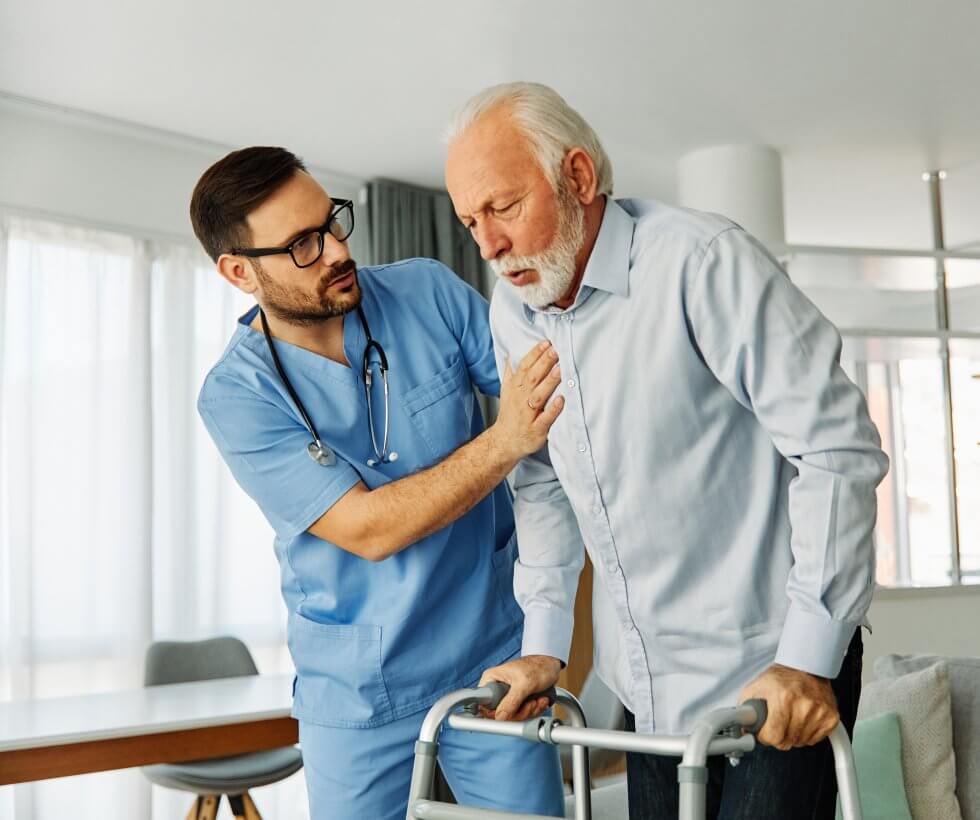
stem_cell_treatment_stroke_consequences-980x820-1.jpg

Key details

  • Current treatment limitations: While ischaemic strokes – which account for nearly 90% of all strokes – are currently treated with clot removal and supportive rehabilitation, there remains a significant unmet need for therapies that directly address neurological consequences.

  • Stem cell potential: Mesenchymal stem cells (MSCs), particularly those from the umbilical cord (UC-MSCs), are a key focus in regenerative medicine due to their ability to regulate the immune system, reduce inflammation, and aid tissue regeneration.

  • Treatment development: A recent Phase 2 randomized controlled trial demonstrated that UC-MSC treatment is safe, with patients showing improvements in neurological deficits, quality of life, and functional independence compared to a control group receiving only rehabilitation.

  • Administration route: The trial compared intravenous (IV) and intrathecal (IT) (spinal canal injection) delivery methods, finding that the IV group experienced fewer procedure-related adverse events and demonstrated statistically significant improvements in functional independence earlier (at 6 months) than the IT group.

What is an ischaemic stroke?

An ischaemic stroke occurs when a clot cuts off blood flow to a part of the brain, preventing brain tissue from receiving oxygen and nutrients. This is a medical emergency, as strokes can happen suddenly and brain cells begin to die within minutes from a blockage happening.[1]

Stroke is a leading cause of death and disability worldwide[2], with ischaemic strokes being the most common, accounting for just under 90% of all strokes.[1]

The consequences of stroke can be severe, and may include:

  • Paralysis

  • Sensory changes

  • Speech or language problems

  • Vision problems

  • Cognitive impairments and memory loss

  • Emotional and behavioural changes.[3]

What treatment is available for stroke and its consequences?

Immediate treatment for ischaemic stroke, provided the patient arrives at the hospital in time, can include:

  • Thrombolysis: using a clot-dissolving medication to break up clots in the brain.

  • Thrombectomy: surgical removal of the clot using a clot retrieval device.[4][5]

This is followed by treatment to reduce the risk of another stroke, such as blood-thinning medication and, potentially, surgery to remedy narrowed arteries.[5]

Treatment for stroke complications is primarily supportive, and focuses on rehabilitation and recovery. Because each stroke is unique, this can vary widely, as it will focus on relearning lost skills and enabling as independent a life as possible. It can involve physiotherapy, speech and language therapy and occupational therapy.[6][7][8]

In other words, recovery and rehabilitation treatment focuses on helping stroke patients adapt to their “new normal”, whatever that may be, leaving a significant unmet need for a treatment that could directly address the neurological consequences of a stroke.

How could stem cells help with the consequences of stroke?

Mesenchymal stem cells (MSCs) are powerful cells which can be obtained from various sources, including bone marrow, adipose (fat) tissue, the umbilical cord and the placenta. These cells have the ability to self-renew and turn into other cell types, such as bone, fat, and cartilage; they can help regulate the body’s immune system and reduce inflammation, promote the formation of new blood vessels, and can release molecules and growth factors which aid in tissue regeneration.[9]

These properties have made them a key focus of the regenerative medicine field, with numerous studies and clinical trials investigating their potential as a treatment for many illnesses and conditions which currently lack effective treatments or cures. MSCs derived from the umbilical cord (UC-MSCs), in particular, have shown in preclinical and clinical studies that they could serve as a safe and potentially effective treatment for the neurological deficits associated with ischemic stroke.[10]

In order to develop a treatment, researchers need to not only identify the best source of stem cells, but also the most appropriate dosage as well as the most effective administration method. It is in this context that a recent clinical trial comparing two different methods of administration places itself.

What were the structure and findings of the clinical trial?

The phase 2 randomised controlled trial evaluated the safety and efficacy of UC-MSCs delivered either via IV (into a vein) or intrathecally (into the spinal canal) for treating neurological deficits after ischemic stroke.

The study involved 32 patients aged 40–75 years who were in the subacute or chronic phase of stroke recovery (7 days to 24 months post-stroke):

  • Patient groups: Patients were randomly assigned to receive UC-MSCs via IV or intrathecally (IT), in addition to standard rehabilitation therapy. A control group consisting of 16 more patients was created by matching patients one-to-one with those in the intrathecal group based on gender, age, and severity of stroke consequences as determined using the NIH stroke scale (NIHSS). This control group only received rehabilitation therapy.

  • Dosage: Patients in the treatment group received a dose of 1.5 × 106 cells per kg of body weight at baseline, and then again 3 months after the first dose.

  • Rehabilitation: Standard rehabilitation therapy consisted of 30 sessions designed to improve cognitive ability, motor function, and overall quality of life, each lasting 60 minutes. The sessions were tailored to each patient and focused on physical, occupational and speech therapy.

  • Monitoring: All patients were followed for a year, with visits scheduled at baseline, 3 months, 6 months and a year.

The results:

  • Safety: There were no severe adverse events related to the treatment. Overall, the adverse event rate was lower in the IV group than in the IT group, where patients experienced more procedure-related pain and headaches.

  • Improvements at 6 months: The IV group demonstrated statistically significant improvements in neurological deficits (NIHSS scores), functional independence, and quality of life compared to the control group. The IT group also showed an improvement compared to the control group, although not as significant.

  • Improvements at 12 months: Both the IV and IT groups showed statistically significant improvements compared to the control group. Researchers hypothesised that IT administration would be more effective than IV, but the study results did not support this assumption – there was no statistically significant difference between the two methods. Larger studies are needed to confirm the results and draw more accurate conclusions.[10]

What are the next steps?

Future studies should focus on optimising the dosage and frequency of the treatment, as well as determining whether any particular patient profile benefits especially well from the treatment. Larger-scale clinical trials will also be necessary to confirm the findings of any smaller-scale trial such as this one.

This research, as well as many other such trials investigating stem cell treatments, could come to fruition during your baby’s lifetime. Having access to as many sources of stem cells as possible could be key for them to access such treatments, particularly for conditions such as stroke which can strike very suddenly. To learn more about how you could preserve a rich source of stem cells for your baby as soon as they are born, complete the form below to request our free welcome pack.

References

[1] National Heart, Lung and Blood Institute (2023). What Is a Stroke? https://www.nhlbi.nih.gov/health/stroke

[2] World Health Organization (2021). Mortality and global health estimates. https://www.who.int/data/gho/data/themes/mortality-and-global-health-estimates

[3] American Stroke Association (2025). Effects of stroke. https://www.stroke.org/en/about-stroke/effects-of-stroke

[4] American Stroke Association (2024). Ischemic Strokes (Clots). https://www.stroke.org/en/about-stroke/types-of-stroke/ischemic-stroke-clots

[5] Stroke Association. (2024). Ischaemic stroke treatments. https://www.stroke.org.uk/stroke/types/ischaemic/treatments

[6] American Stroke Association (2024). Post-Stroke rehabilitation. https://www.stroke.org/en/life-after-stroke/stroke-rehab/post-stroke-rehabilitation

[7] Stroke Association (2024). Understanding recovery. https://www.stroke.org.uk/stroke/recovery
[8] American Stroke Association. What to Expect from Stroke Rehabilitation. https://www.stroke.org/-/media/Stroke-Files/Stroke-Resource-Center/Recovery/Patient-Focused/What-to-Expect-from-Stroke-Rehabilitation.pdf

[9] Margiana, R., et al. (2022). Clinical application of mesenchymal stem cell in regenerative medicine: a narrative review. Stem Cell Research & Therapy, 13(1). doi:https://doi.org/10.1186/s13287-022-03054-0

[10] Nguyen, L. T., et al. (2025). Intrathecal versus intravenous umbilical cord mesenchymal stem cells for ischemic stroke sequelae, Stem Cells Translational Medicine, Volume 14, Issue 12, December 2025, zaf063, https://doi.org/10.1093/stcltm/szaf063


umbilical_cord_blood_lesch_nyhan-980x633-1.jpg

Key details

  • Understanding Lesch-Nyhan syndrome: This rare, recessive condition linked to the X chromosome primarily affects boys, and is characterised by a deficiency of the HPRT enzyme, leading to severe motor dysfunction, uric acid overproduction, and compulsive self-injury.

  • Role of HPRT: Used by the body to process and recycle purines: organic compounds that are a type of building block of DNA and RNA.

  • Promising transplant results: A recent case study demonstrated that a cord blood transplant (from a 5/6 HLA-matched donor) successfully restored HPRT1 protein levels to normal range and prevented the onset of self-injury behaviour.

  • Cord blood efficacy: Umbilical cord blood is often considered the preferred stem cell source for treating inborn errors of metabolism because it supports successful engraftment and is safer than other sources when the donor and patient are not a perfect genetic match.

What is Lesch-Nyhan syndrome?

Lesch-Nyhan syndrome is a rare condition which occurs almost exclusively in boys. It is classified as an inborn error of metabolism, meaning it is congenital (present at birth), inherited, and involves a malfunction in the body’s chemical processes (metabolism). It affects a child’s brain and behaviour, as well as causing overproduction of uric acid, a waste product which is normally eliminated through the kidneys.[1][2][3][4] Symptoms include:

  • Urate crystals: Forming in the urine due to the build-up of uric acid, these orange-coloured crystals can deposit in the diapers of babies with this condition. They are often the first symptom to appear.

  • Motor issues: These begin to manifest around four months of age, with decreased muscle tone (hypotonia) resulting in a limp, “floppy” appearance and poor head control being one of the earliest symptoms. This is followed by involuntary muscle spasms (dystonia), repetitive movements (chorea) and flailing of the limbs (ballismus), as well as muscle rigidity (spasticity). Opisthotonos, a severe muscle spasm which causes the back to arch and the head and heels to bend backwards, can also occur. Babies can miss developmental milestones such as sitting, crawling or walking; those who had previously learned to sit upright typically regress and lose the ability. Most people with Lesch-Nyhan syndrome cannot walk, are unable to sit without support, and generally use a wheelchair. Speech can be slurred or poorly articulated (dysarthria); problems with swallowing (dysphagia) can also occur.

  • Gout: The accumulation of uric acid in the joints eventually leads to recurring pain and swelling, similar to what happens in adults with gout. These episodes generally begin in the late teens to early adulthood, and can become progressively more frequent over time.

  • Intellectual disability: Some cognitive impairment is typically present, although it is hard to gauge accurately due to the motor issues and dysarthria.

  • Self injury: This compulsive behaviour is a hallmark of Lesch-Nyhan syndrome, occurring in a majority of patients (about 85%), and typically begins in early childhood. It includes biting of the cheeks, lips, fingers or hands, as well as banging the head or limbs against hard objects, scratching the face, or poking at eyes.

  • Behavioural issues: Patients with Lesch-Nyhan syndrome may also have episodes in which they act aggressive and attempt to injure others, or become verbally abusive.[3][4]

What causes Lesch-Nyhan syndrome?

Lesch-Nyhan syndrome is caused by a genetic mutation, and is inherited in an X-linked recessive pattern. The affected gene, HPRT1, is located on the X chromosome; this means that females are mostly carriers as they’re often protected by an unaffected X chromosome, and males who inherit the defective chromosome from their mothers are affected by the condition. Occasionally, Lesch-Nyhan syndrome can also develop in a family with no history of it. This is known as a spontaneous, or de novo, mutation.

Whether inherited or spontaneous, the mutation results in a severe shortage or complete absence of the HPRT1 protein. The body uses this protein to process and recycle purines, organic compounds which are a type of building block of DNA and RNA. Without this protein, purines are instead broken down but not recycled, resulting in abnormally high levels of uric acid in the blood. When too much uric acid is produced, the kidneys can’t keep up, and uric acid accumulates in the body.[1][2][3][4]

It is still unclear how Lesch-Nyhan syndrome affects the brain, causing the neurological and behavioural issues associated with the condition. Researchers suspect that it may either impact the levels of dopamine, an important chemical messenger required for the brain to function correctly, or reduce the function of dopamine receptors.[2][4]

Is there a cure for Lesch-Nyhan syndrome? What treatment is available?

There is no cure for Lesch-Nyhan syndrome. Treatment primarily aims to treat symptoms, and is generally handled by a team of specialists rather than a single treating physician.[2][3]

Treatment can include:

  • Allopurinol, a medication normally used for gout, to reduce the amounts of uric acid present in the body and control the symptoms caused by it.

  • Procedures to break down kidney or bladder stones.

  • Physical splints or restraints to prevent self-injury, including hip, chest and elbow restraints as well as a mouth guard.

  • Supportive equipment such as a wheelchair.[2][3]

No standard treatment is available for the neurological and behavioural symptoms of Lesch-Nyhan syndrome, although a variety of medication may help ameliorate some of them.[2][3][5][6]

Could a cord blood transplant help with Lesch-Nyhan syndrome?

If performed early enough, a cord blood transplant could potentially slow or halt the progression of Lesch-Nyhan syndrome. A recently published case study, detailing the results of a cord blood transplant for Lesch-Nyhan syndrome, provides the strongest evidence to date for this.[7]

The patient, a boy, initially presented at six months of age with hypotonia, inability to roll over, and occasional opisthotonos. MRI and EEG results raised the suspicion of Lesch-Nyhan syndrome, which was confirmed with genetic testing. Crucially, the diagnostic confirmation happened before the onset of any self-injury compulsion.

As the condition was progressing and the patient did not have a matched sibling donor, doctors made the decision to proceed with a cord blood transplant from a partially matched (5/6 HLA) donor, performed at 14 months old.

The outcome of the transplant was positive:

  • Treatment safety: 28 days post-transplant, the patient had mild graft-versus-host disease (GvHD), a condition in which white blood cells remaining in the donated graft attack the cells of the host’s body. This was resolved with corticosteroids, a medication which reduces inflammation and suppresses the immune system. Beyond this, there were no complications, and the boy remained free of GvHD by the time the case report was submitted for publication.

  • Successful engraftment: Complete donor chimerism, meaning over 95% of the patient’s new blood cells were of donor origin, was achieved on day 32 post-transplant.

  • HPRT1 protein levels: Prior to the transplant, the patient’s HPRT1 protein levels were low (40.9 pg/ml) compared to those of his father and mother (98.8 pg/ml and 78.9 pg/ml respectively). Post-transplant, levels rose to 91.1 pg/ml by day 32 and remained normal (97.0 pg/ml) at day 126.

  • Neurological improvement: The patient’s dystonia and spasticity decreased, opisthotonos became more infrequent, and he had improved facial expressions, increased social interaction and developmental progress. At 36 months of age, he still showed no sign of any self-injury behaviour.[7]

This case shows a promising result, but research is still in the very early stages. Including this case, only three haematopoietic stem cell transplants (HSCT) have been performed in children with Lesch-Nyhan syndrome before the onset of the self-injury compulsion:

Endres et al. (1991) Kállay et al. (2012) Weng et al. (2025)
Patient age 16 months 24 months 14 months
Stem cell source Bone marrow Cord blood (6/6 match) Cord blood (5/6 match)
Outcome Death (day +10) Survival, full chimerism Survival, full chimerism
Long-term outcome N/A No self-injury at 5yr follow-up. Persistent motor delay. No self-injury at 36mo. Improved dystonia/social.

Thus, no formal protocol for this treatment has been established yet. Instead, until more evidence is available, the decision on whether a transplant is appropriate should be made individually for each case, by a coordinated multidisciplinary team including ethical oversight, with transparent family counselling so that informed parental consent is possible.[7]

What is known for certain is:

  • HSCT has been successfully used to treat other conditions in the inborn error of metabolism category, and is the standard of care for some of them, such as Hurler syndrome [8] and Krabbe disease.[9]

  • Cord blood is generally the preferred stem cell source for such transplants, as it increases the likelihood of full donor chimerism and is safer to use when the donor and the patient aren’t a perfect genetic match.[7][8][10]

In the case of Krabbe disease, specifically, early transplantation is of paramount importance; the sooner a transplant happens, the better the functional results for the child, with differences being noticeable even between children transplanted before 30 days of age and those transplanted after.[11] In the United States, several states have implemented newborn screening for Krabbe disease because of this. Here, too, cord blood presents itself as a superior stem cell source, as families may have previously banked the cord blood from an unaffected sibling and, if not, a matched cord blood unit may be available in a public bank.

Should a newborn screening targeted at Lesch-Nyhan syndrome be implemented, it would mean the condition could be identified before symptoms develop. The authors of this case study speculate that early transplant could prevent irreversible neuronal loss and preserve neurological potential.[7]

The importance of family banking

Storing your baby’s cord blood privately gives them access to their own perfectly matched stem cells, and a 75% chance they could be a match for a sibling who may need a transplant; comprising a 25% chance of a perfect match, and 50% chance of a partial match.

As the regenerative medicine field continues to advance, researchers are also investigating the potential of autologous stem cell treatments, using patients’ own stem cells. These would involve gene editing techniques such as CRISPR, and have already become available for some inherited conditions, such as sickle cell disease and beta thalassemia; for other conditions, including Lesch-Nyhan[12] and Krabbe disease, they are in pre-clinical or clinical trial stage. For any of these conditions, it is also possible that the most effective treatment would be a combination of cord blood transplant and gene therapy; this is currently being investigated for Krabbe disease.[13]

Should you choose to bank your baby’s cord blood, it is possible that the stem cells it contains could be used for autologous treatments, rather than more invasively collected bone marrow or peripheral blood stem cells. Should your baby prove to be a donor match for one of their siblings or another family member who is in need of a transplant, the cord blood could potentially also be used in that case.

To learn more about banking your baby’s cord blood, as well as about other sources of stem cells that can only be collected immediately after birth, fill in the form below to request your free guide.

References

[1] MedlinePlus. Lesch-Nyhan syndrome. https://medlineplus.gov/genetics/condition/lesch-nyhan-syndrome/

[2] Cleveland Clinic (2022). Lesch-Nyhan Syndrome: Causes, Symptoms & Treatment. https://my.clevelandclinic.org/health/diseases/23493-lesch-nyhan-syndrome

[3] National Organization for Rare Disorders (2015). Lesch Nyhan Syndrome. https://rarediseases.org/rare-diseases/lesch-nyhan-syndrome/

[4] Nanagiri, A. and Shabbir, N. (2020). Lesch Nyhan Syndrome. https://www.ncbi.nlm.nih.gov/books/NBK556079/

[5] Brainfacts.org. (2025). Lesch Nyhan Syndrome. https://www.brainfacts.org/diseases-and-disorders/neurological-disorders-az/diseases-a-to-z-from-ninds/lesch-nyhan-syndrome

[6] Nyhan, W.L. (2005). LESCH-Nyhan Disease. Journal of the History of the Neurosciences, 14(1), pp.1–10. doi:https://doi.org/10.1080/096470490512490

[7] Weng, T.-F., Tin, C.-H. and Wu, K.-H. (2025). Umbilical Cord Blood Transplantation in Lesch-Nyhan Syndrome: A Case Report and Literature Review. Cureus. doi:https://doi.org/10.7759/cureus.97008

[8] Tan, E.Y., Boelens, J.J., Jones, S.A. and Wynn, R.F. (2019). Hematopoietic Stem Cell Transplantation in Inborn Errors of Metabolism. Frontiers in Pediatrics, 7. doi:https://doi.org/10.3389/fped.2019.00433

[9] Wright, M.D., Poe, M.D., DeRenzo, A., Haldal, S. and Escolar, M.L. (2017). Developmental outcomes of cord blood transplantation for Krabbe disease. Neurology, 89(13), pp.1365–1372. doi:https://doi.org/10.1212/wnl.0000000000004418

[10] Aldenhoven, M. and Kurtzberg, J. (2015). Cord blood is the optimal graft source for the treatment of pediatric patients with lysosomal storage diseases: clinical outcomes and future directions. Cytotherapy, 17(6), pp.765–774. doi:https://doi.org/10.1016/j.jcyt.2015.03.609

[11] Allewelt, H., Taskindoust, M., Troy, J., Page, K., Wood, S., Parikh, S., Prasad, V.K. and Kurtzberg, J. (2018). Long-Term Functional Outcomes after Hematopoietic Stem Cell Transplant for Early Infantile Krabbe Disease. Biology of Blood and Marrow Transplantation, 24(11), pp.2233–2238. doi:https://doi.org/10.1016/j.bbmt.2018.06.020

[12] Jang, G., Shin, H.R., Do, H.-S., Kweon, J., Hwang, S., Kim, S., Heo, S.H., Kim, Y. and Lee, B.H. (2023). Therapeutic gene correction for Lesch-Nyhan syndrome using CRISPR-mediated base and prime editing. Molecular Therapy – Nucleic Acids, 31, pp.586–595. doi:https://doi.org/10.1016/j.omtn.2023.02.009

[13] ClinicalTrials.gov (2024). A Phase 1/2 Clinical Study of Intravenous Gene Transfer With an AAVrh10 Vector Expressing GALC in Krabbe Subjects Receiving Hematopoietic Stem Cell Transplantation (RESKUE). https://www.clinicaltrials.gov/study/NCT04693598


heart-repair-surgery.jpg

02/01/2024 Case Studies

Surgeons have, for the first time, used a combination of an artificial heart and stem cells to save the life of a dying man.

Ioannis Manolopoulos was fitted with the mechanical pump because his heart was too weak to push blood around his body. Surgeons then injected his failing heart muscle with six million of his stem cells in the hope that they would repair the damage. Speaking exclusively to Sky News, he said he owed the British and Greek surgeons his life. He said: “If things go well, I must go to church and pray because I feel very lucky to get this device and have the chance of a normal life.”


When Chloe Levine was 9-months-old, her parents noticed she couldn’t hold her bottle with her right hand. That wasn’t her only developmental setback. Chloe, of Pinetop, Arizona, was unable to raise both hands above her head, and she could not crawl. At 12 months, a CAT scan showed a portion of the left side of Chloe’s brain had not developed and contained fluid. Seeking answers, Chloe’s parents, Ryan and Jenny Levine took their daughter to a neurologist who diagnosed the toddler with right-side hemiplegic cerebral palsy.


stem-cells-1080x675-1.jpg

02/01/2024 Case Studies

“Stem cell transplants have freed patients with type 1 diabetes of daily insulin injections’” The Daily Telegraph has said. The news comes after research that allowed volunteers to go, on average, for two and a half years without using the multiple daily injections normally needed to manage their condition.


Baby-Francis-980x551-1.png

Calling all sports fans – Could you give a cheek swab to save baby Francis’ life?

Meet baby Francis from Walton in Liverpool.  At just three months old, this beautiful boy has been diagnosed with a rare and aggressive cancer, Acute Myeloid Leukaemia, also known as AML.

When he was six weeks old, his mum, Anna, noticed an unexplained bruise on his arm, and he was given blood tests.  When initial tests failed to detect anything unusual, a bone marrow test was conducted after the tot became ill and lethargic.


jaw-bone-created-from-stem-cells.jpg

02/01/2024 Case Studies

Scientists have created part of the jaw joint in the lab using human adult stem cells. They say it is the first time a complex, anatomically sized bone has been accurately created in this way.

It is hoped the technique could be used not only to treat disorders of the specific joint, but more widely to correct problems with other bones too. The Columbia University study appears in Proceedings of the National Academy of Sciences.


ms-sufferer-stem-cell-treatment.jpg

02/01/2024 Case Studies

An Australian man who was confined to a wheelchair by multiple sclerosis has made a remarkable recovery after receiving a ground breaking stem cell treatment.

Ben Leahy, 20, was diagnosed with the disease in 2008 and lost the ability to stand within a few months. However, a new procedure to combat the disease has helped him regain his health and he is now walking again. The treatment targets the immune system of multiple sclerosis patients, which turns in on it self causing damage to nerves which can lead to blurred vision, loss of balance and paralysis.